
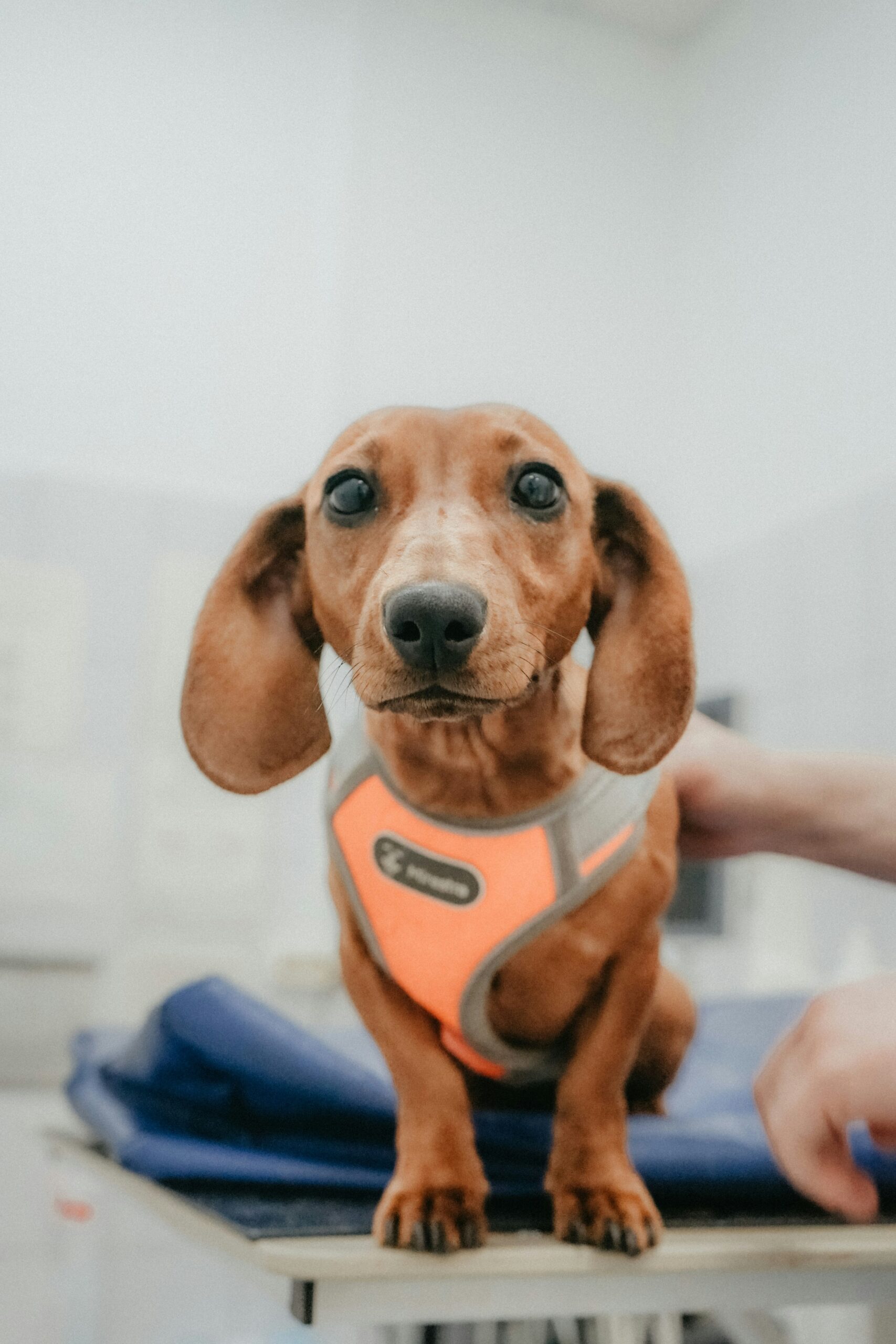
This pet insurance guide is for pet owners who see coverage as a real financial decision, not a niche purchase. Veterinary care keeps getting more advanced and more expensive. A single emergency surgery or cancer treatment can easily cost $3,000 to $10,000 or more. This pet insurance guide breaks down how coverage works, what it costs in 2026, and how to choose a policy that protects you when it matters.
How Much Does Pet Insurance Cost in 2026?
Pricing varies significantly by provider, but industry data from multiple sources in 2026 points to a consistent range. For accident and illness coverage, the most common and comprehensive policy type, dog owners typically pay between $43 and $70 per month. Several major industry surveys put the average around $50-56. Cat insurance runs lower, typically $23 to $36 per month.
If you only want protection against accidents (not illnesses), accident-only plans are considerably cheaper – often $15 to $25 per month for dogs and under $15 for cats – but they won’t cover things like cancer, diabetes, or infections.

What Affects Your Premium
Several factors push your price up or down:
- Breed: Breeds prone to genetic conditions (French Bulldogs, English Bulldogs, Maine Coons, Persians) typically cost more to insure.
- Age: Premiums increase as your pet ages, since older pets are statistically more likely to need care. Insuring a pet while young and healthy locks in lower rates for longer.
- Location: Vet costs vary by state and city, and so do premiums – pet owners in states with a higher cost of living (like Massachusetts or California) generally pay more.
- Deductible and reimbursement level: A higher deductible (what you pay before coverage kicks in) lowers your monthly premium. A higher reimbursement percentage (what the insurer pays back, often 70-90%) raises it.
- Annual coverage limit: Unlimited annual coverage costs more than a capped limit like $5,000 or $10,000 per year.
How Pet Insurance Actually Works
Unlike human health insurance, pet insurance almost always works on a reimbursement model:
- You pay the vet bill in full at the time of treatment.
- You submit a claim to your insurance provider (usually via an app or online portal, with your itemized invoice).
- The insurer reviews the claim and reimburses you – typically 70% to 90% of the covered amount, minus your deductible – usually within a few days to two weeks.
This means you need to be able to cover the upfront cost of a vet visit yourself, even with insurance. Some newer providers (like Trupanion, in specific vet clinics) offer direct-to-vet payment that skips this step, but it’s still the exception rather than the rule.
What Pet Insurance Typically Covers
Most standard accident and illness plans cover:
- Emergency vet visits and surgeries
- Diagnostic tests (X-rays, bloodwork, MRIs)
- Hospitalization
- Prescription medications
- Cancer treatment (chemotherapy, radiation)
- Chronic conditions (diabetes, allergies) – as long as they weren’t pre-existing
- Hereditary and congenital conditions (varies by provider — some exclude these, especially for breeds prone to them)
What’s Usually NOT Covered
- Pre-existing conditions: Any illness or injury your pet showed symptoms of before your policy started (or during the waiting period). This is the single biggest source of claim denials and misunderstandings.
- Routine and preventive care: Annual checkups, vaccines, flea/tick prevention, and dental cleanings are not covered by standard plans – you need a separate wellness add-on for these.
- Cosmetic procedures: Tail docking, ear cropping, and similar elective procedures.
- Breeding-related costs: Pregnancy, birth, and related complications.
Waiting Periods: The Detail Most People Miss
Every pet insurance policy has a waiting period — a set number of days after you sign up before coverage actually begins. This typically breaks down as:
- Accidents: Usually a short waiting period, often 1-5 days.
- Illnesses: Usually longer, often 14 days.
- Orthopedic conditions (like ACL/cruciate ligament injuries, common in dogs): Often the longest wait, sometimes 6 months, unless waived by a vet exam.
This is exactly why buying pet insurance before you need it matters. If your dog starts limping the week before you sign up, that condition will likely be classified as pre-existing and excluded permanently – even after your policy is active.
Is Pet Insurance Worth It?
This depends on your risk tolerance and financial situation, but the math is worth understanding:
- The average dog owner pays roughly $600-700 per year in premiums (at ~$50-60/month).
- A single serious incident — a torn ACL, a swallowed foreign object requiring surgery, or a cancer diagnosis — commonly costs $3,000 to $10,000+ in vet bills.
- If your pet stays healthy, you may pay more in premiums over its lifetime than you’d spend without insurance. If your pet has one major medical event, insurance often pays for itself many times over in a single year.
Pet insurance is essentially a bet on predictability: you trade a small, known monthly cost for protection against a large, unpredictable one. For owners who would struggle to pay a $5,000 emergency bill out of pocket — or who would face the heartbreaking choice of “economic euthanasia” – insurance provides real peace of mind, not just theoretical value.

Pet Insurance Guide: Choosing the Right Policy
This part of the pet insurance guide covers the practical steps for picking a policy:
- Get quotes from at least 3-4 providers — pricing for the same coverage can vary by 30% or more between companies for the exact same pet.
- Read the exclusion list carefully, not just the marketing page. Look specifically at how each provider handles hereditary and congenital conditions, since this varies a lot by company.
- Check the waiting periods, especially for orthopedic conditions if you have a large-breed dog.
- Compare reimbursement models: percentage-based (70-90% of the vet bill) is more common and usually more generous than benefit-schedule plans (a fixed dollar amount per condition).
- Consider your pet’s breed-specific risks — if you own a breed prone to certain conditions, prioritize providers with strong coverage in that area over the cheapest premium.
Related products we recommend
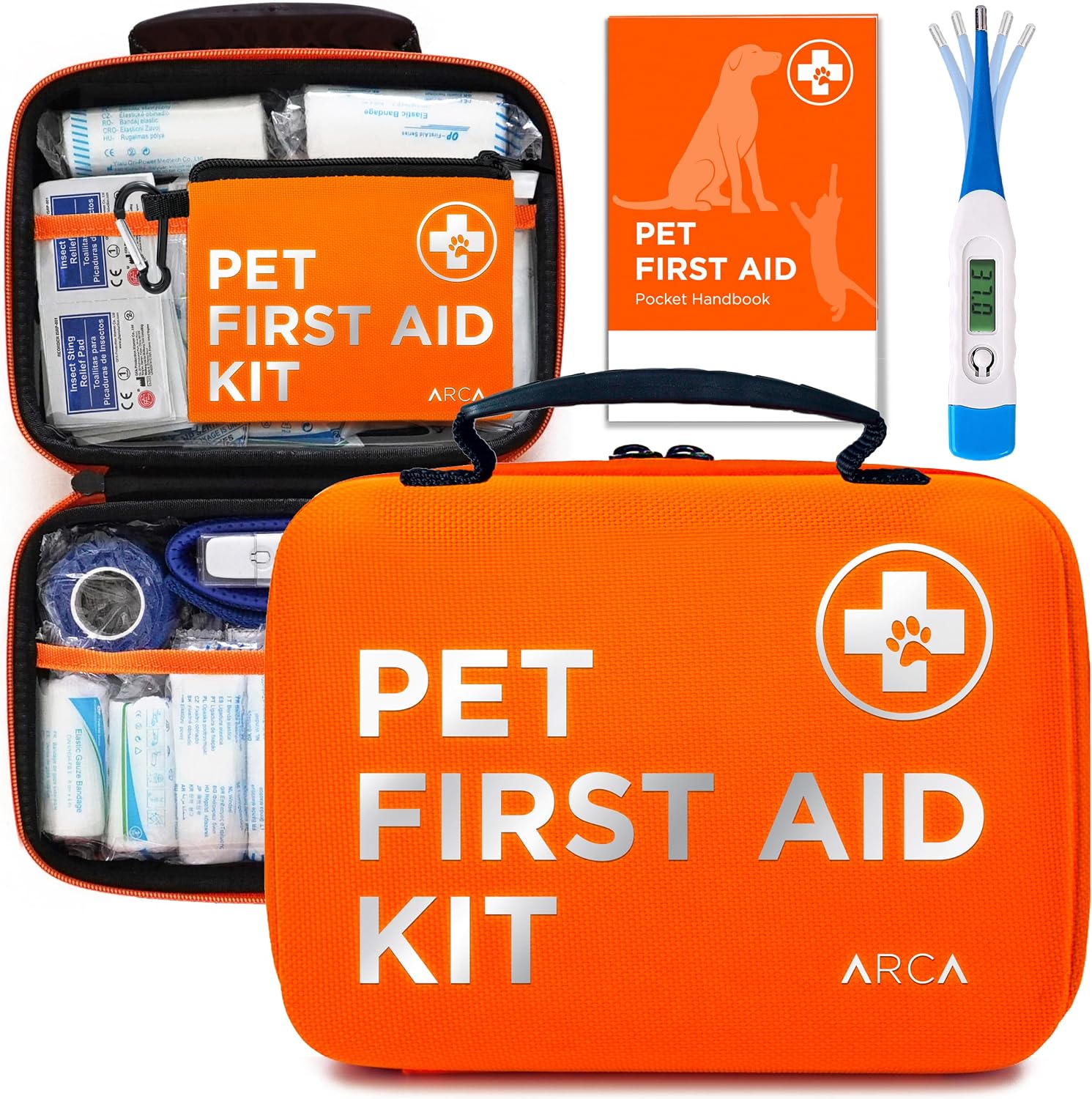
Pet First Aid Kit

GPS Dog Tracker Collar
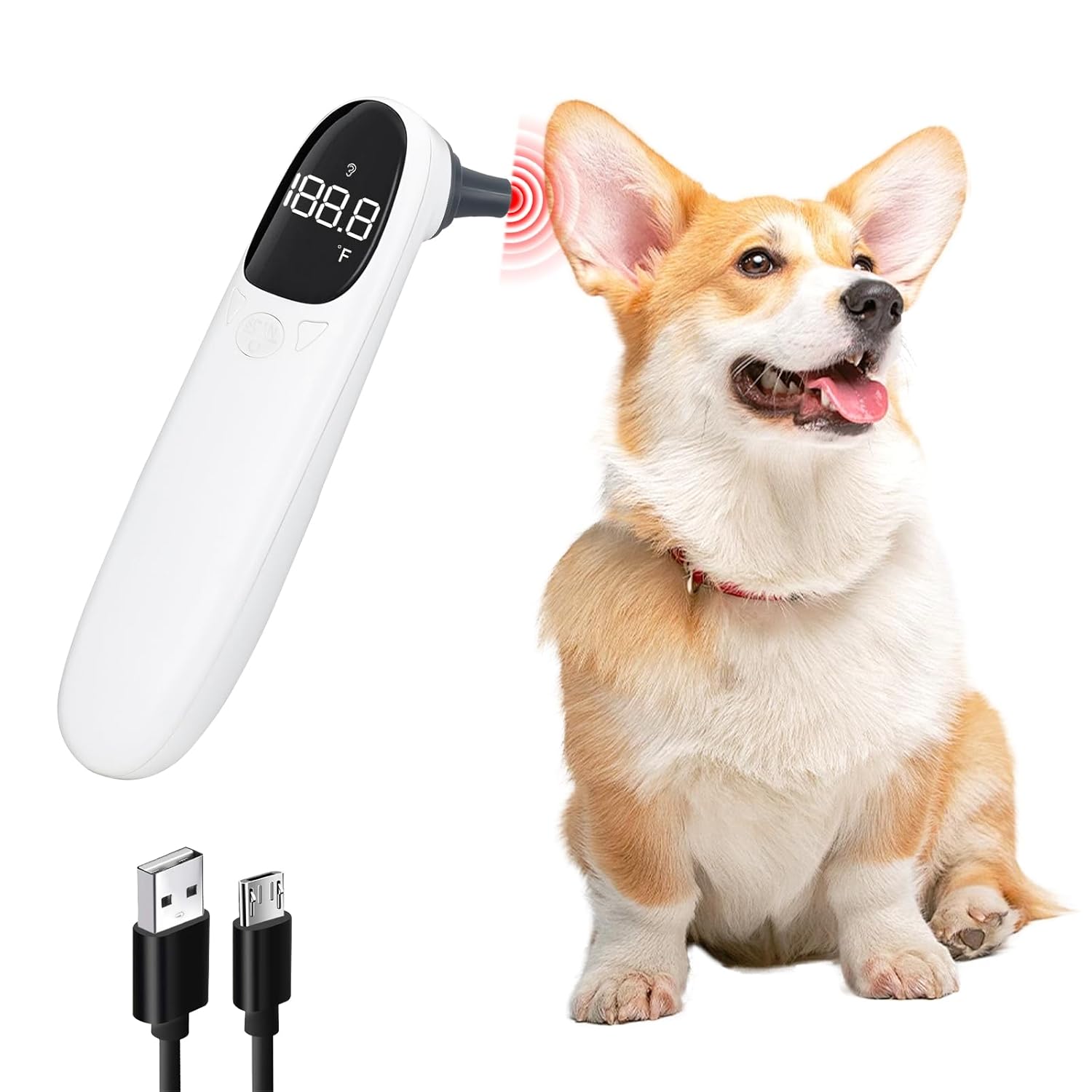
Digital Pet Thermometer
As an Amazon Associate, we earn from qualifying purchases.
Frequently Asked Questions
Does pet insurance cover pre-existing conditions?
No, standard pet insurance does not cover conditions your pet had symptoms of before enrollment or during the waiting period. This is true across virtually every major provider.
Can I use any vet with pet insurance?
Yes, in almost all cases. Unlike human health insurance, pet insurance typically has no network restrictions — you can use any licensed veterinarian, specialist, or emergency animal hospital.
What’s the best age to get pet insurance?
The earlier, the better. Enrolling a puppy or kitten means no pre-existing conditions have had a chance to develop, and premiums are at their lowest.
Does pet insurance cover dental care?
Illness-related dental issues (like a tooth abscess) are typically covered under standard plans. Routine cleanings usually require a separate wellness add-on.