
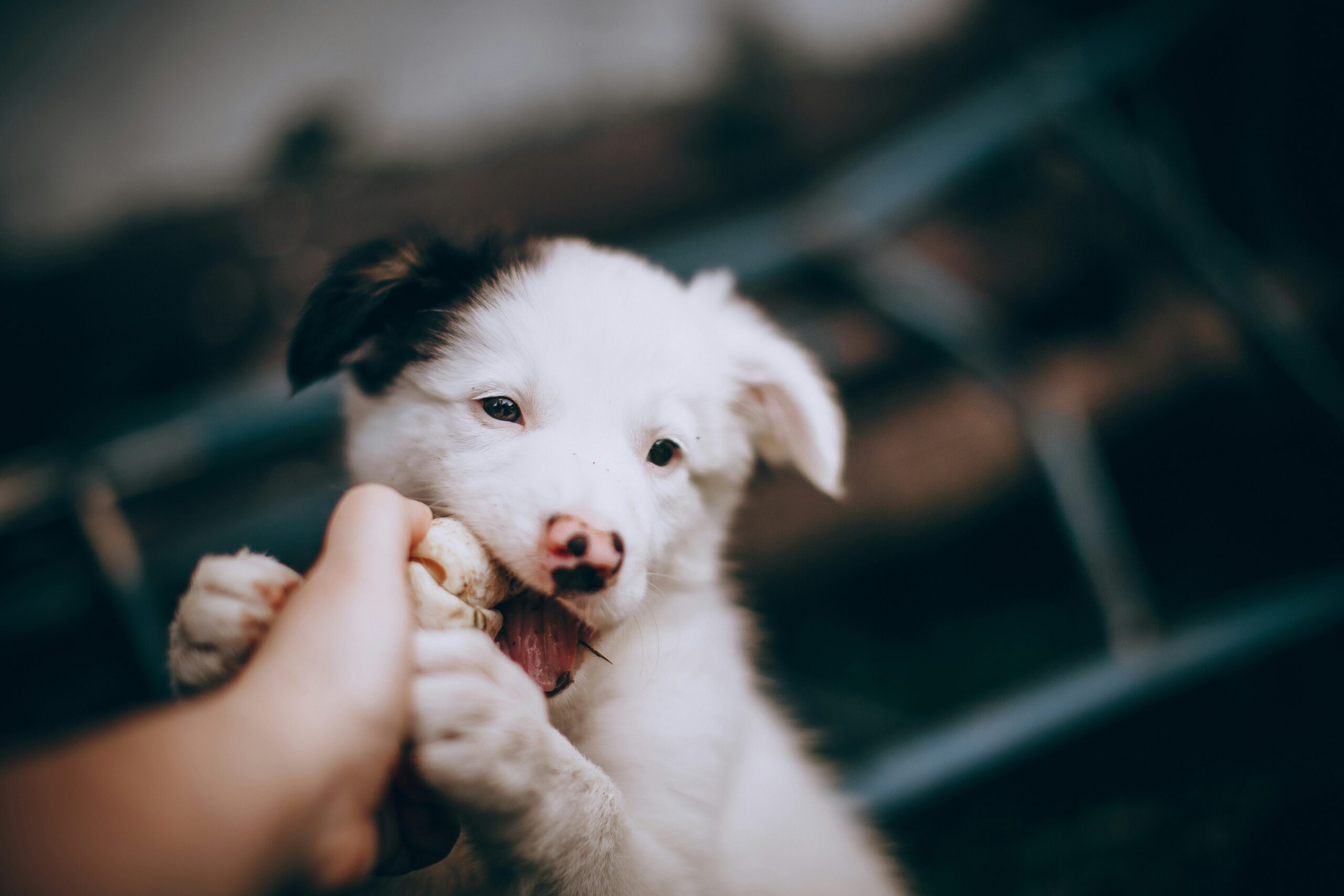
Puppy biting is one of the most common and most frustrating challenges new dog owners face, but this guide shows you how to stop puppy biting for good. The good news: it’s almost always a normal developmental phase, not a sign of aggression. This guide walks through exactly why puppies bite and a step-by-step method to stop it.
How to Stop Puppy Biting: Why Puppies Bite
Puppies explore the world with their mouths, the same way human babies do with their hands. Biting and mouthing typically show up for a few specific reasons:
- Teething: Between 3 and 6 months, puppies lose their baby teeth, and chewing/biting relieves the discomfort.
- Play: In a litter, puppies bite each other during play, and littermates yelp to signal “too hard.” Without that feedback, puppies don’t automatically know human skin is more sensitive.
- Overstimulation or overtiredness: A lot of biting spikes happen when a puppy is overtired or overexcited, similar to a toddler’s meltdown.
- Attention-seeking: If biting reliably gets a reaction (even a negative one), puppies learn it works.
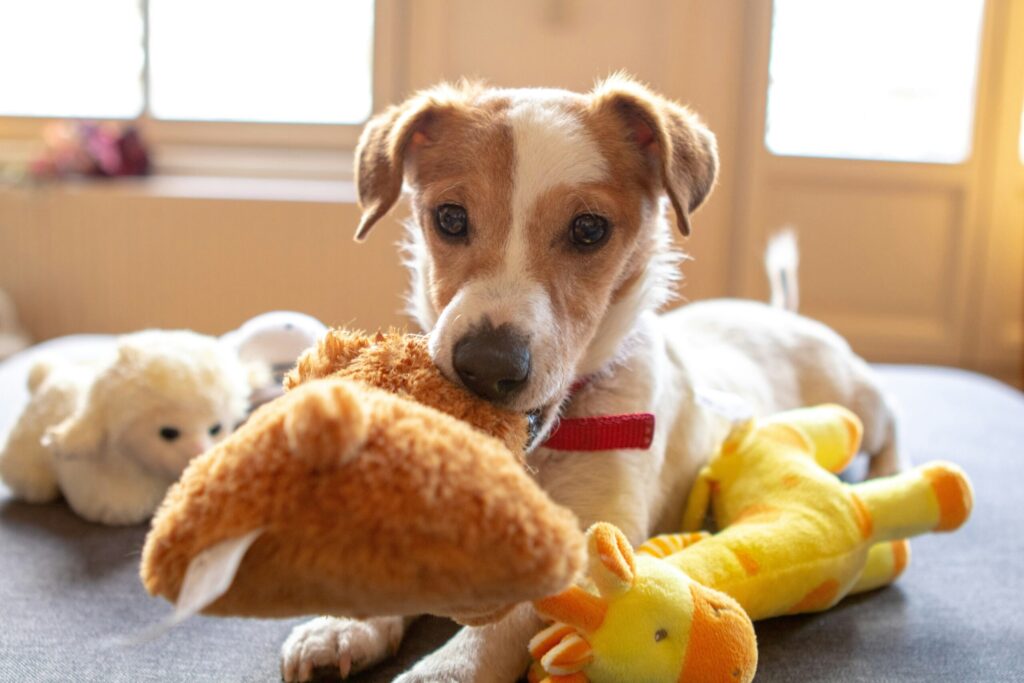
Related products we recommend
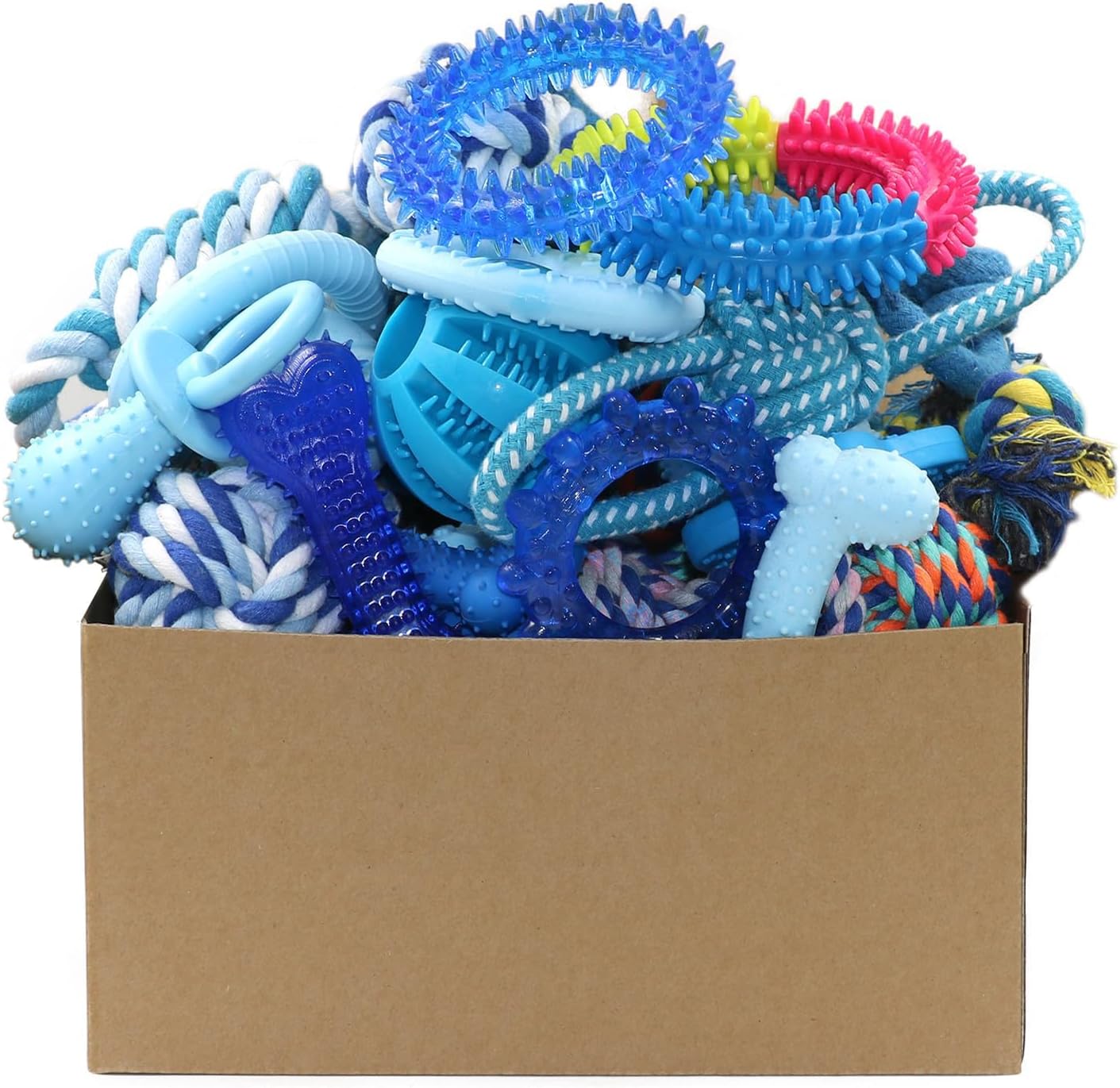
Puppy Teething Chew Toy Set
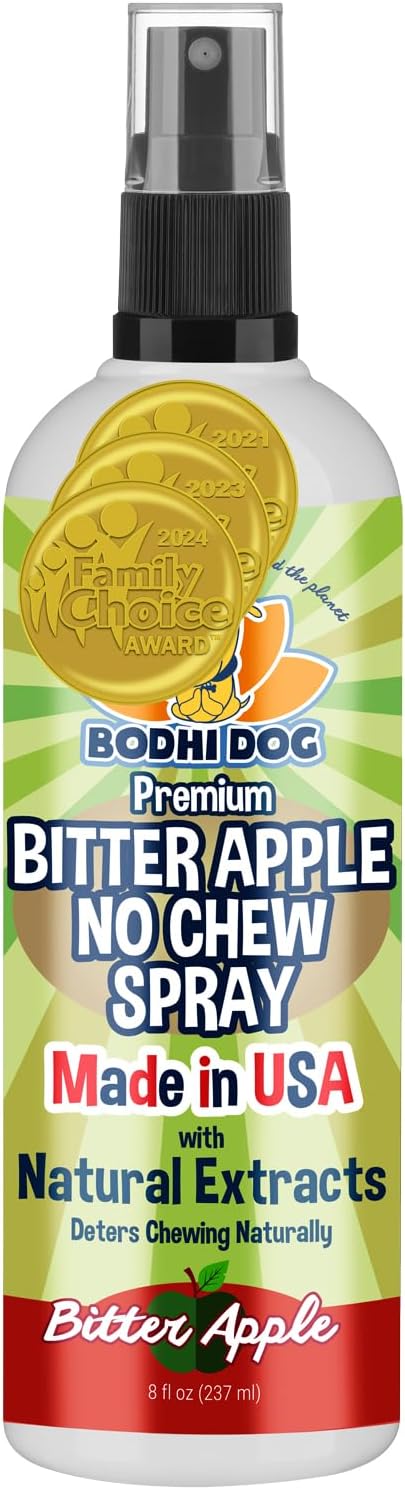
Bitter Apple Anti-Chew Spray
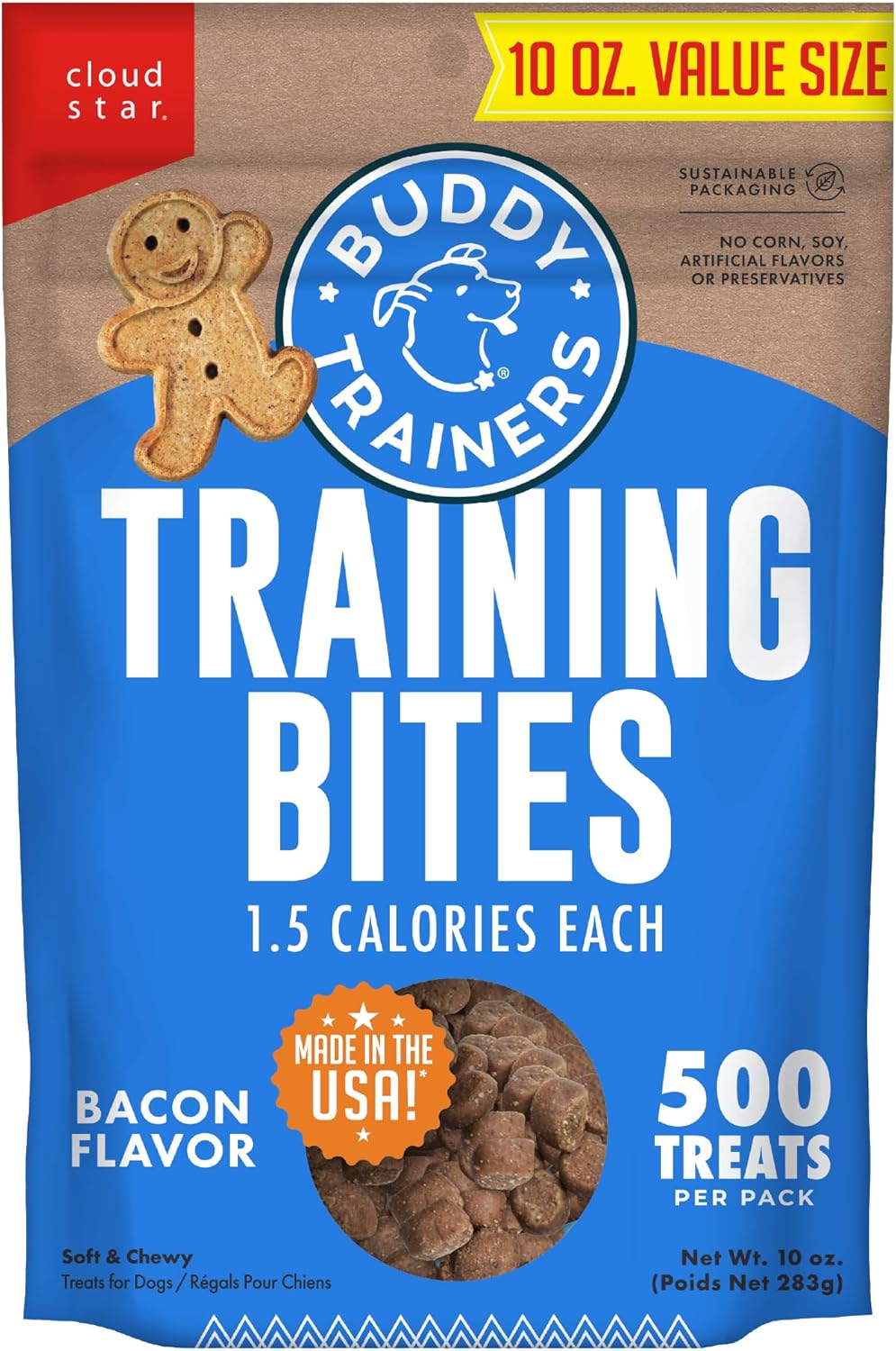
Puppy Training Treats
As an Amazon Associate, we earn from qualifying purchases.
Step-by-Step: How to Stop Puppy Biting
1. Redirect to an appropriate chew toy immediately
The moment your puppy’s teeth touch your skin, calmly remove your hand and offer a chew toy instead. Timing matters more than the words you use – the goal is an instant, consistent substitution, every single time.
2. Use a sharp “ouch” and withdraw attention
Mimic what a littermate would do: say a single sharp “ouch” or “no” in a higher-pitched voice, then briefly stop interacting – turn away or leave the room for 10-15 seconds. This teaches your puppy that biting ends the fun, without any punishment involved.
3. Never use physical correction
Avoid tapping the nose, holding the muzzle shut, or any physical punishment. These methods are outdated, can damage trust, and in many cases make biting worse by increasing fear or defensive behavior.
4. Manage overtiredness proactively
If you notice biting spikes happen mostly in the evening or after long play sessions, that’s often overtiredness, not misbehavior. Puppies need 18-20 hours of sleep a day. Build in a calm-down routine (crate time, a quiet chew) before your puppy reaches the overtired “witching hour.”
5. Increase structured play and mental stimulation
A lot of nipping comes from pent-up energy. Short, structured play sessions (fetch, tug with rules, food puzzles) burn energy in a way that’s more satisfying than random mouthing, and tend to reduce biting between sessions.
6. Socialize bite inhibition with other puppies (once vaccinated)
Supervised puppy playgroups let puppies practice bite inhibition with each other — this feedback loop is one of the fastest ways puppies learn how hard is “too hard,” in a way humans can’t fully replicate.
When Puppy Biting Might Need Professional Help
Most puppy biting resolves with consistency by 6-8 months as adult teeth come in and training takes hold. Consider consulting a certified dog trainer or veterinary behaviorist if you notice:
- Biting that draws blood repeatedly, even with consistent training
- Growling or stiff body language alongside the biting
- Biting that seems to come from fear or guarding, rather than play
- No improvement at all after 4-6 weeks of consistent redirection
Frequently Asked Questions
At what age do puppies stop biting?
Most puppies significantly reduce biting by 6 months as their adult teeth finish coming in, though full impulse control often isn’t solid until closer to 1 year.
How to Stop Hard Puppy Biting: Is It Normal?
Yes, especially during the teething window (3-6 months). Hard biting isn’t usually aggression – it’s a lack of bite inhibition that training addresses directly.
Should I yelp like a puppy when bitten?
It can work for some puppies, but for others a high-pitched yelp actually increases excitement and biting. If yelping seems to make things worse, switch to a calm, low “no” instead and stop interaction immediately.
Do puppy training pads or toys help with biting?
Chew toys help redirect the behavior, but they don’t replace the training steps above. A puppy needs to learn that biting doesn’t work on people, not just that toys are available. Following the steps in this guide on how to stop puppy biting will help your puppy learn faster.