
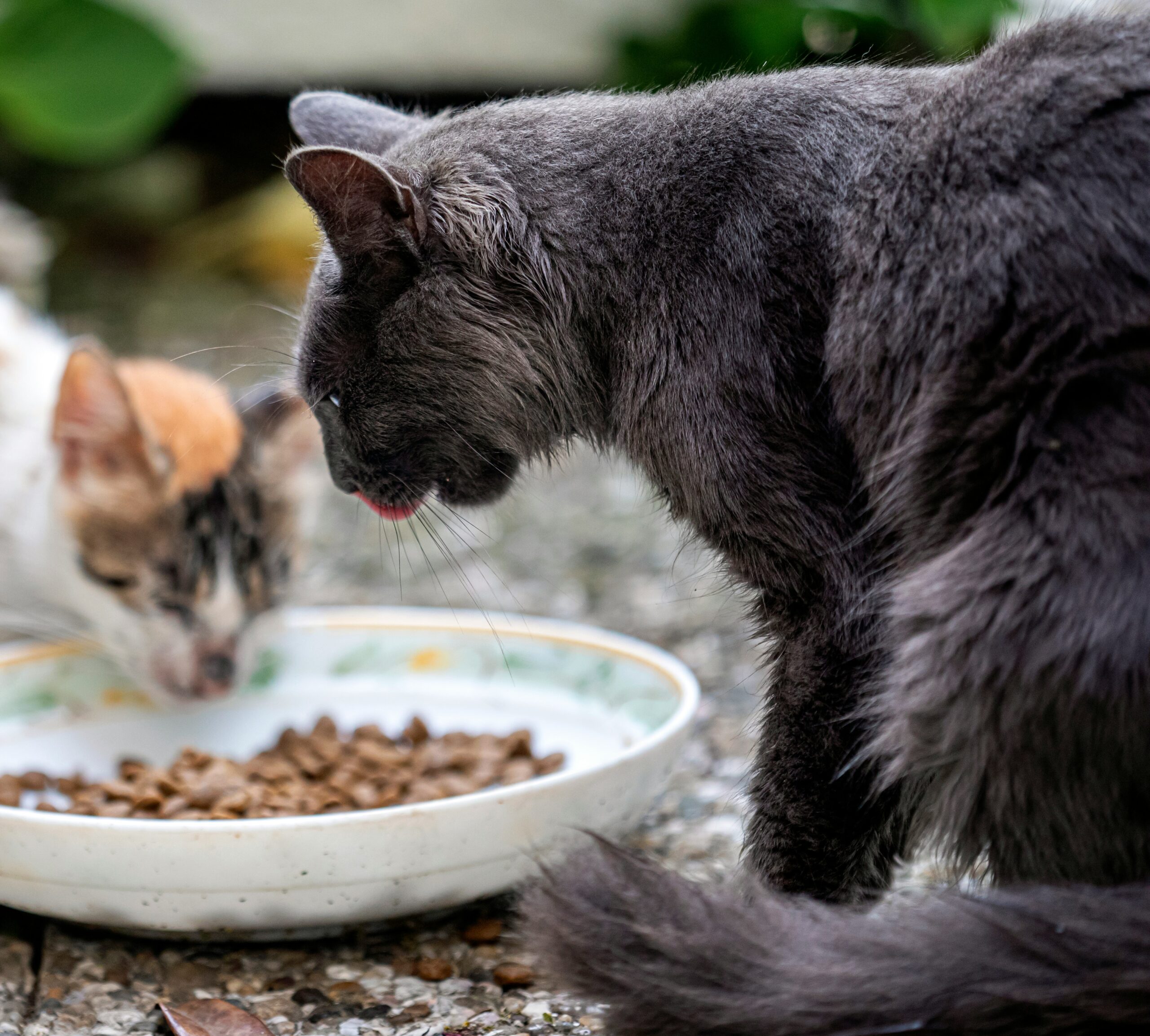
If you’re wondering why is my cat not eating, know that a cat skipping one meal isn’t usually a big deal — but a cat that refuses food for 24 hours or more is a genuine warning sign, not something to wait out. Unlike dogs, cats can develop a serious liver condition (hepatic lipidosis) from going without food for just a couple of days, which makes appetite loss in cats a faster-moving concern than in most other pets. This guide covers the most common causes and exactly when it’s time to call the vet.
Why Is My Cat Not Eating? Common Causes Explained
Stress and environmental changes
Cats are highly sensitive to change. A new pet, a move, rearranged furniture, a different food bowl location, or even a change in litter brand can cause temporary appetite loss. This is usually the least worrying cause, but it should resolve within a day or two once the cat settles.
Dental pain
Tooth resorption, gingivitis, or a broken tooth can make eating physically painful, especially with dry kibble. Watch for other signs like pawing at the mouth, drooling, or dropping food while chewing.
Gastrointestinal issues
Hairballs, mild stomach upset, or intestinal parasites can all reduce appetite temporarily. Often accompanied by vomiting or changes in stool.
Upper respiratory infections
Cats rely heavily on smell to want to eat. A stuffy nose from a respiratory infection can make food unappealing even when the cat is otherwise hungry – this is especially common in kittens and cats from shelters or multi-cat households.
Underlying illness (more serious)
Persistent appetite loss can point to kidney disease, diabetes, hyperthyroidism, pancreatitis, or cancer — particularly in senior cats. These conditions often come with other symptoms like weight loss, increased thirst, or lethargy.
When to Worry If Your Cat Is Not Eating: Red Flags
Call your vet promptly if you notice:
- No food at all for 24 hours (this is non-negotiable for cats, unlike dogs)
- Not eating alongside vomiting, diarrhea, or visible lethargy
- Noticeable weight loss over days or weeks
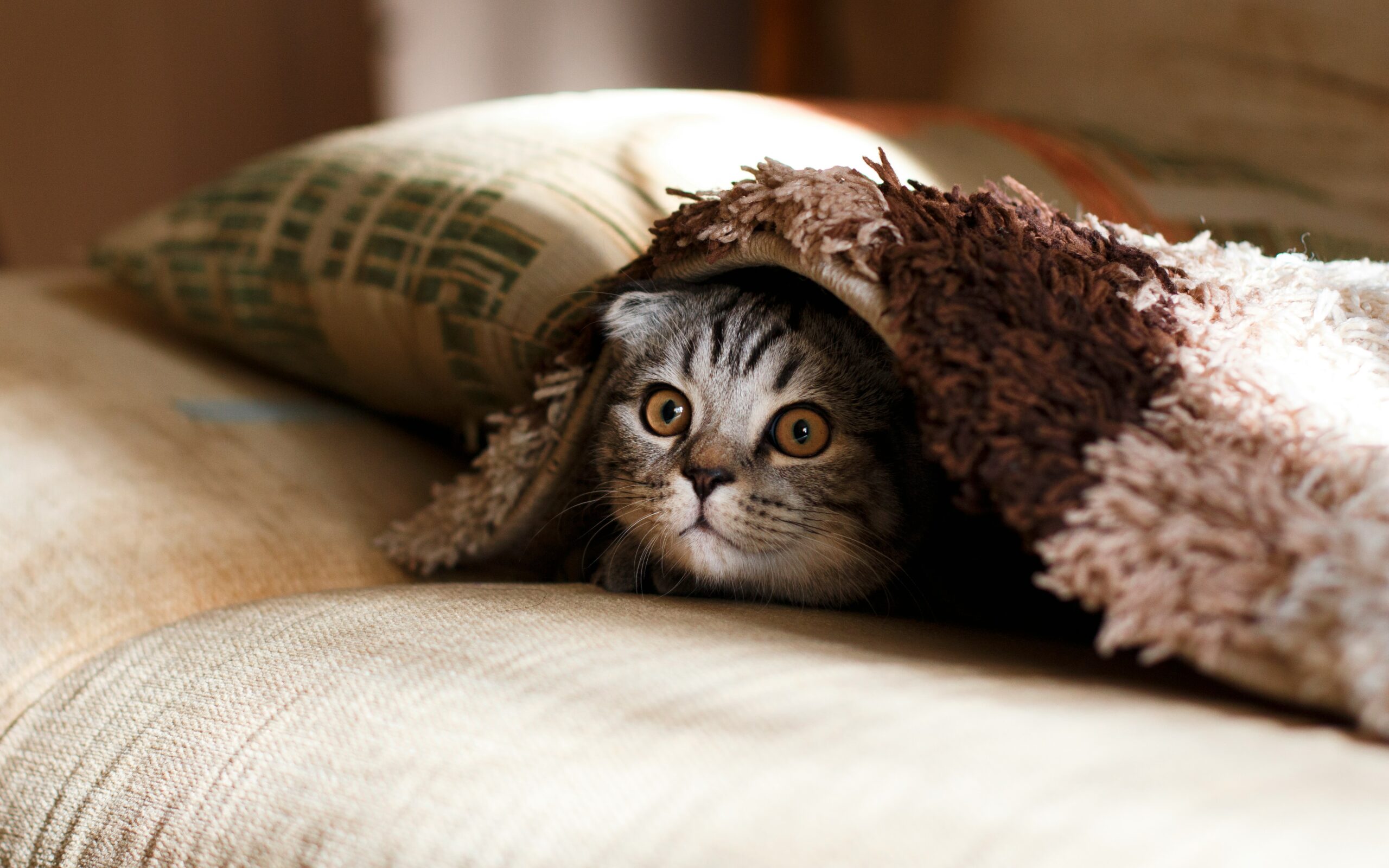
- Hiding more than usual, combined with reduced appetite
- Any known health condition (kidney disease, diabetes) paired with a drop in eating
Why It Matters When Your Cat Is Not Eating for 24+ Hours
When a cat doesn’t eat, its body starts breaking down fat reserves for energy. In cats, this process can overwhelm the liver, causing a dangerous buildup of fat cells known as hepatic lipidosis, a fatty liver disease. This condition can develop in as little as 48-72 hours of not eating, and it’s genuinely life-threatening – which is why “let’s just wait and see” is much riskier with cats than with dogs.
What to Try If Your Cat Is Not Eating (Mild Cases)
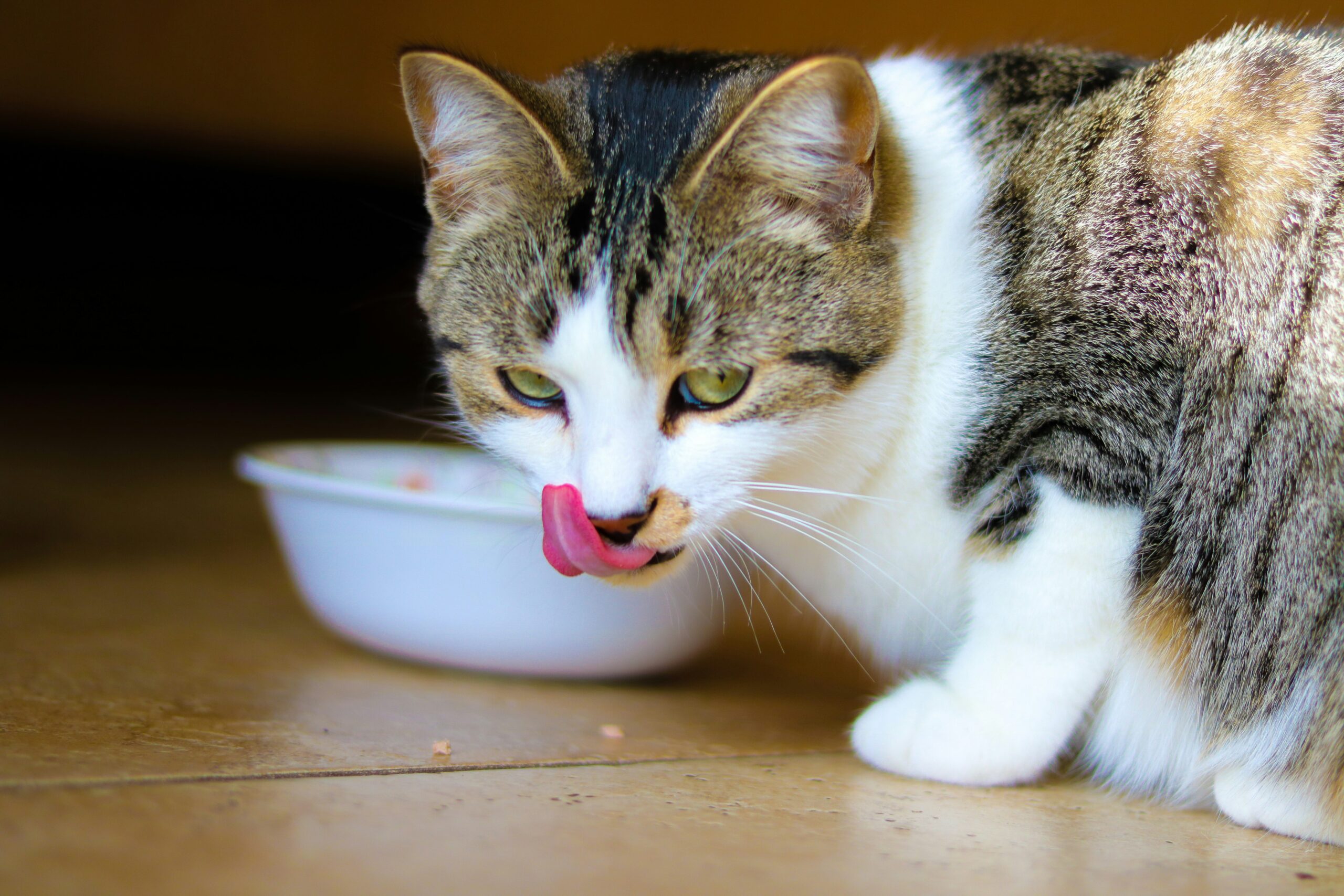
If your cat has skipped one meal, seems otherwise normal (active, using the litter box, no vomiting), and it’s been under 24 hours, you can try:
- Warm the food slightly — this releases more aroma, which can trigger appetite
- Try a different texture — switch from dry to wet food, or vice versa
- Reduce stress — keep the environment calm, avoid crowding the food bowl area
- Check the bowl placement — some cats refuse to eat near litter boxes or in high-traffic areas
- Offer a strong-smelling option — tuna juice or a small amount of warmed chicken broth (unseasoned) can sometimes restart interest in eating
Important: these home strategies are only appropriate for mild, short-term cases in an otherwise healthy-seeming cat. They are not a substitute for a vet visit if any red flags from above are present.
Related products we recommend
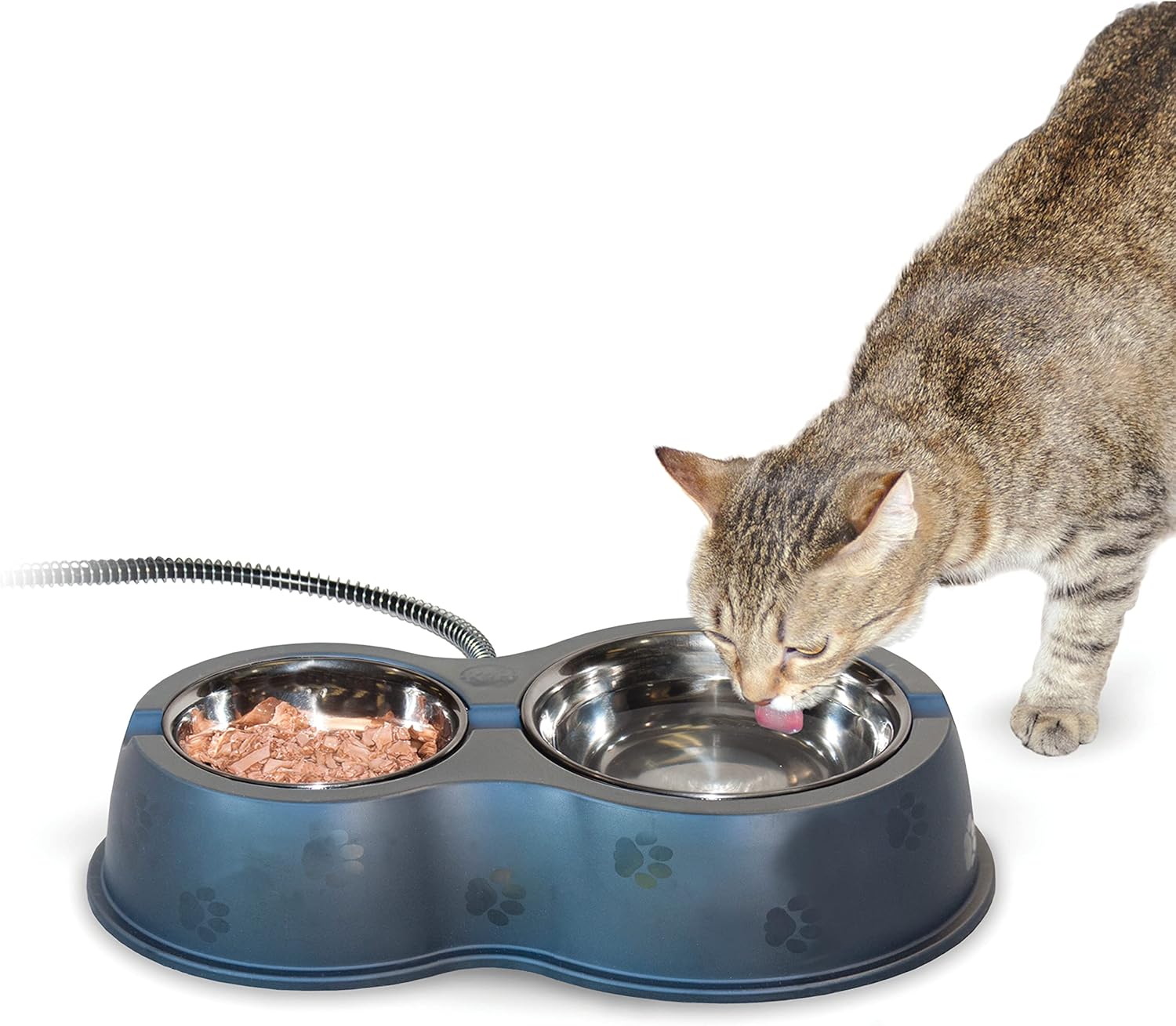
Cat food warmer bowl

High-value wet cat food variety pack

Bone broth for cats
As an Amazon Associate, we earn from qualifying purchases.
Frequently Asked Questions
How long can a cat go without eating before it’s dangerous?
24 hours is the general threshold to take seriously, and 48-72 hours puts a cat at real risk of developing hepatic lipidosis, a potentially fatal liver condition.
Is it normal for cats to skip meals sometimes?
Occasional single missed meals, especially tied to stress or a food change, can be normal. Repeated skipped meals or any refusal lasting a full day is not something to dismiss.
Can stress alone cause a cat to stop eating?
Yes, stress is one of the most common causes of short-term appetite loss in cats, but it should resolve within a day or two — if it doesn’t, rule out medical causes with a vet.
Should I force-feed my cat if it won’t eat?
No, don’t attempt to force-feed at home. If your cat won’t eat for an extended period, a vet can safely provide appetite stimulants or, if needed, temporary feeding support.