

When you start comparing pet insurance plans, one of the first choices you face is accident-only vs accident & illness pet insurance. Understanding how these two types of coverage differ helps you avoid paying for protection you don’t need, or discovering a dangerous gap right when you need it most.
Here’s how they differ, what each one actually covers, and how to figure out which fits your pet.
What Is Accident-Only Pet Insurance? (Accident vs Illness Pet Insurance Basics)
Accident-only insurance does exactly what it sounds like: it covers injuries from unexpected accidents, and nothing else. Think broken bones, swallowed foreign objects, cuts requiring stitches, or injuries from being hit by a car.
What’s typically covered:
- Emergency vet visits for injuries
- Surgery related to an accident
- X-rays and diagnostic imaging for trauma
- Poisoning or toxic ingestion (in many, but not all, policies)
What’s NOT covered:
- Illnesses (infections, cancer, diabetes, etc.)
- Chronic conditions
- Hereditary or breed-specific conditions
- Routine or preventive care
Because the coverage is narrower, accident-only plans are significantly cheaper than accident & illness plans – often 40-60% less in monthly premium.
What Is Accident vs Illness Pet Insurance (Accident & Illness Coverage)?
This is the more comprehensive (and more common) type of policy. It covers everything an accident-only plan does, plus illnesses of all kinds – from ear infections to cancer treatment.
What’s typically covered:
- Everything in accident-only plans
- Illnesses (infections, digestive issues, cancer, diabetes, etc.)
- Chronic conditions (as long as they’re not pre-existing)
- Hereditary and congenital conditions (depending on the provider)
What’s usually still excluded:
- Pre-existing conditions
- Routine/preventive care (unless you add a wellness rider)
- Cosmetic procedures
Side-by-Side Comparison
| Accident-Only | Accident & Illness | |
| Average monthly cost | $10-$20 | $25-$70 |
| Covers injuries | ✅ | ✅ |
| Covers illness | ❌ | ✅ |
| Covers chronic conditions | ❌ | ✅(if not pre-existing) |
| Best for | Budget-conscious owners, older pets already insured elsewhere for illness, secondary coverage | Most pet owners, especially puppies/kittens |
Related products we recommend
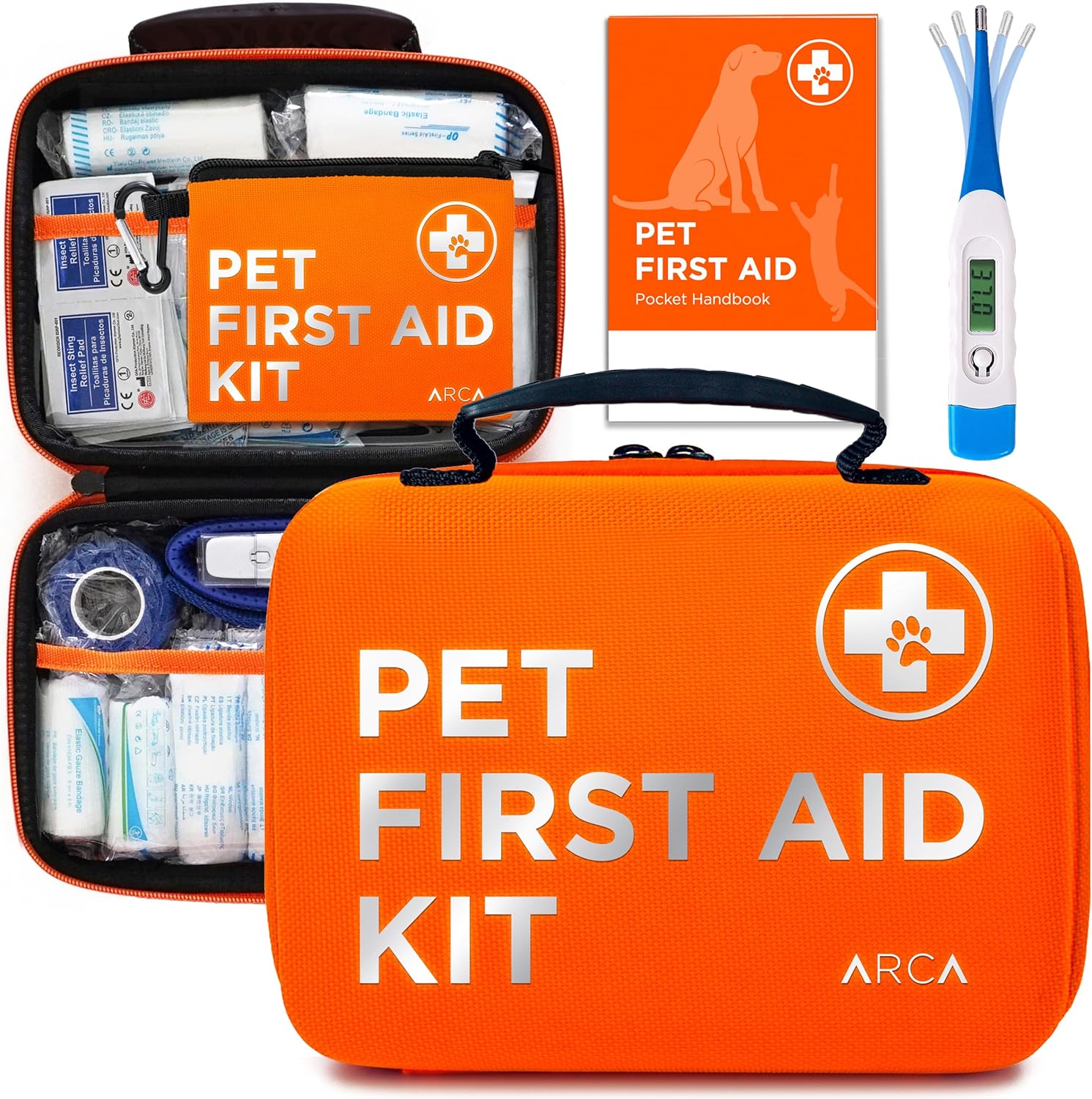
Pet First Aid Kit
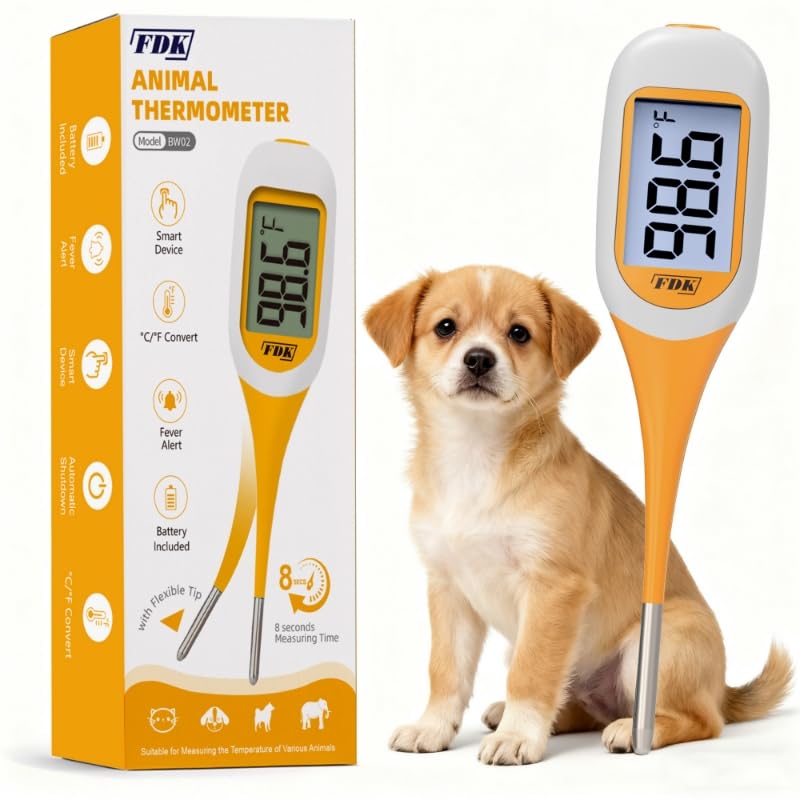
Digital Pet Thermometer
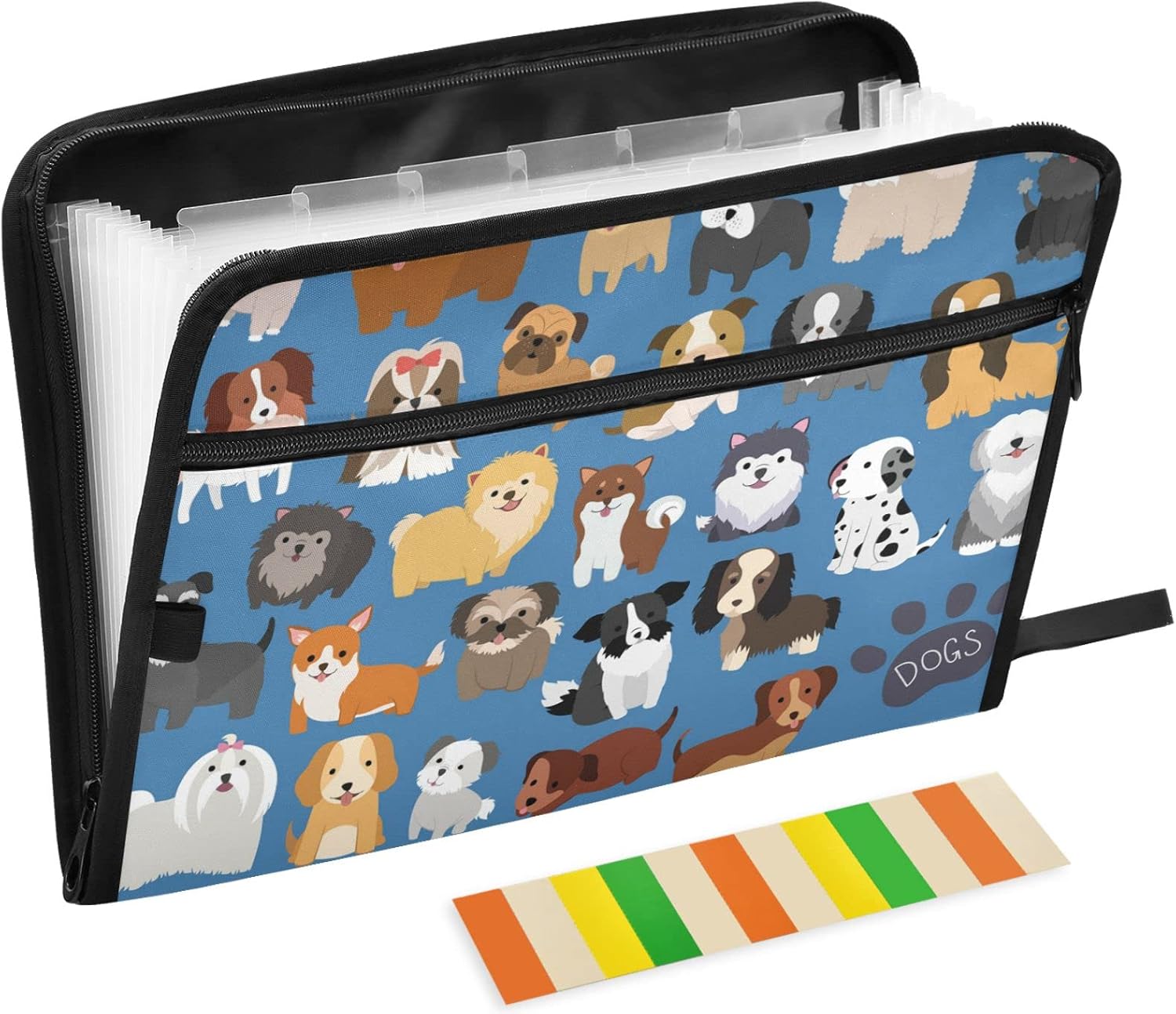
Pet Medical Record Organizer Folder
As an Amazon Associate, we earn from qualifying purchases.
Accident-Only vs Accident & Illness Pet Insurance: Which One Should You Choose?
Accident-only makes sense if:
- You’re on a tight budget but still want a safety net for emergencies
- You already have significant savings set aside for illness-related costs
- Your pet is a breed with historically low rates of hereditary/chronic illness
- You want minimal coverage just for worst-case trauma scenarios
Accident & illness makes sense if:
- You’re insuring a puppy or kitten (the earlier you enroll, the fewer pre-existing exclusions you’ll run into)
- Your pet’s breed is prone to conditions like hip dysplasia, diabetes, or certain cancers
- You want to avoid the financial shock of an unexpected diagnosis
- You’d rather pay a predictable monthly premium than risk a five-figure vet bill
For most owners, choosing accident & illness pet insurance over accident-only coverage ends up being the more practical long-term choice, especially since illnesses, not accidents, tend to generate the largest vet bills over a pet’s lifetime.
A Quick Word on Waiting Periods
Regardless of which type you choose, almost all providers apply a waiting period before coverage kicks in — typically a few days for accidents and up to two weeks for illnesses. Some hereditary conditions like hip dysplasia can carry waiting periods of six months or more, a pattern also tracked industry-wide by the North American Pet Health Insurance Association (enlace externo). If you’re deciding between plans, our complete pet insurance guide (enlace interno #1) walks through waiting periods and what typically isn’t covered in more detail.
Bottom Line
If budget is your main constraint, accident-only coverage is better than no coverage at all. But when comparing accident-only vs accident & illness pet insurance, the second option usually protects you against the expenses that actually bankrupt most pet owners: chronic and unexpected illnesses, not just accidents. Enrolling early, while your pet is young and healthy, is the best way to avoid pre-existing condition exclusions altogether.