
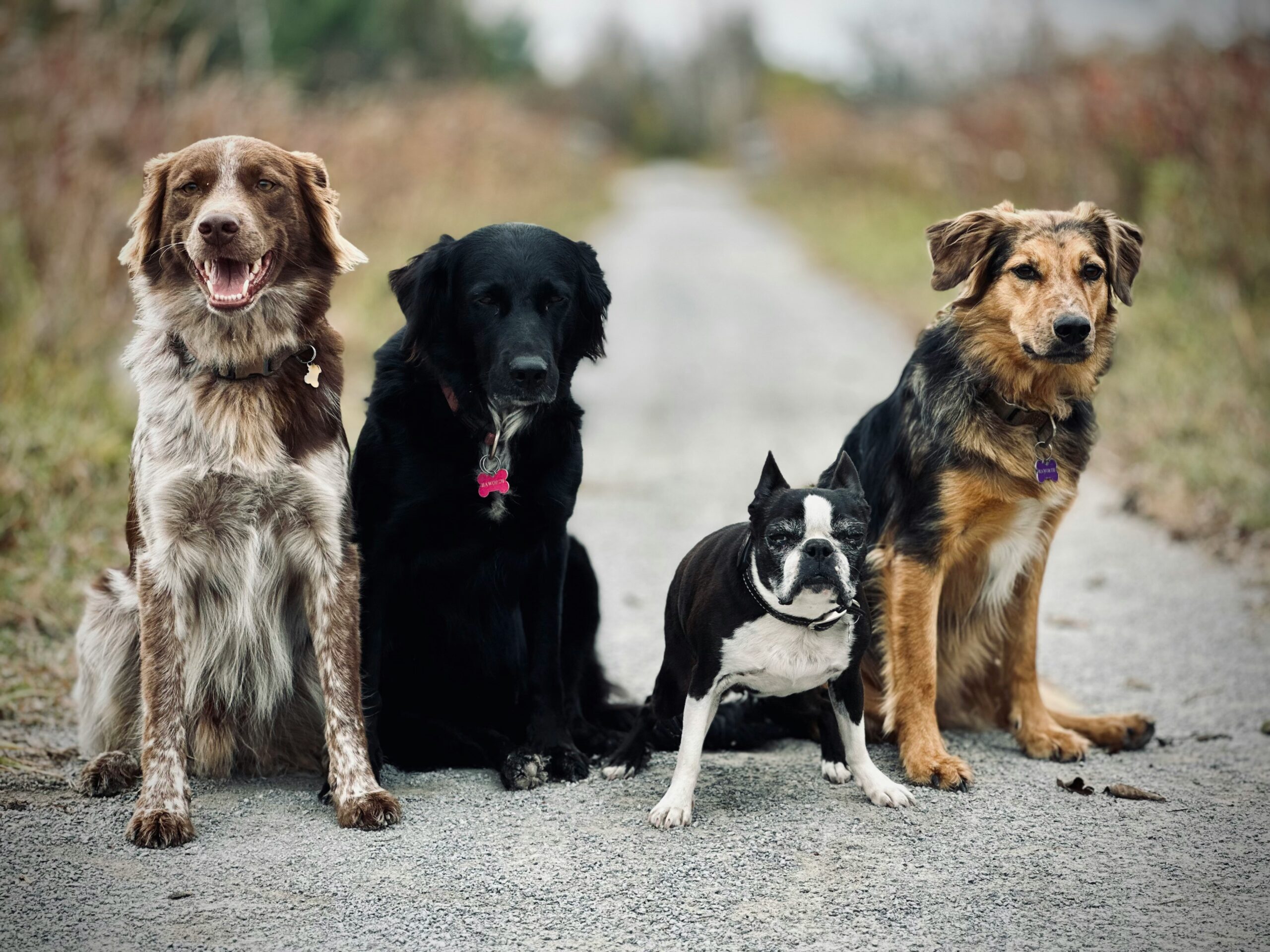
Every dog breed insurance cost estimate starts with the same simple fact: not all dogs cost the same to insure. However, that has nothing to do with how much you love them. Instead, insurance companies price policies based on a breed’s likelihood of developing certain health conditions. As a result, the gap in dog breed insurance cost between the cheapest and most expensive breeds can be significant. Ultimately, here’s why breed matters so much, which breeds cost more, and what you can do about it.
Dog Breed Insurance Cost: Why Breed Affects Your Premium
Specifically, pet insurers use actuarial data — historical claims across thousands of dogs — to predict how likely a breed is to need expensive veterinary care. In particular, three main factors drive this:
- Genetic predisposition to disease. For instance, somebreeds are statistically more prone to conditions like hip dysplasia, heart disease, or certain cancers.
- Size. In general, larger breeds tend to have shorter lifespans and higher rates of joint and orthopedic issues, while very small breeds often face dental and airway problems.
- Life expectancy also plays a role: breeds with shorter average lifespans may see steeper premium increases as they age, since insurers price in the higher likelihood of age-related claims.
Dog Breed Insurance Cost: Breeds That Typically Cost More

| Breed | Common Health Risks | Why Premiums Run Higher |
| French Bulldog | Brachycephalic airway syndrome, spinal issues | High rate of surgical claims, popular breed with rising vet costs |
| Golden Retriever | Cancer, hip dysplasia | Above-average cancer rates across the breed |
| German Shepherd | Hip/elbow dysplasia, degenerative myelopathy | Frequent orthopedic and neurological claims |
| Great Dane | Bloat (GDV), heart disease | Large-breed conditions requiring emergency surgery |
| Cavalier King Charles Spaniel | Heart disease (mitral valve), syringomyelia | High rate of chronic cardiac claims |
| English Bulldog | Skin conditions, breathing issues, hip dysplasia | Frequent claims across multiple body systems |
Breeds That Typically Cost Less to Insure: Dog Breed Insurance Cost Factors
Mixed-breed dogs and certain purebreds with fewer known hereditary conditions tend to have lower average premiums. Breeds like Australian Cattle Dogs, Border Collies, and most mixed-breed “mutts” generally benefit from hybrid vigor — a broader gene pool that reduces the concentration of inherited conditions common in some purebred lines.

Description: Supports the recommendation to enroll high-risk breed puppies early.
Does This Mean You Shouldn’t Get a High-Risk Breed?
Not at all — it just means insurance matters more, not less. Infact, if you already own (or are planning to adopt) a breed prone to costly conditions, that’s actually the strongest argument for enrolling in accident & illness coverage as early as possible, before any symptoms appear and create pre-existing condition exclusions.
Related products we recommend
Dog DNA Breed Identification Test Kit

Orthopedic Dog Bed (Joint Support)
Pet Medical Record Organizer Folder
As an Amazon Associate, we earn from qualifying purchases.
How to Get the Best Rate on Dog Breed Insurance Cost
- Enroll young. Premiums are almost always lower for puppies, and you avoid exclusions for conditions that haven’t developed yet.
- Compare quotes across multiple providers. Pricing models vary significantly between insurers, even for the same breed.
- Also, consideryour deductible and reimbursement level. A higher deductible lowers your monthly premium if your dog is generally healthy.
- Ask about breed-specific exclusions before signing up. Some insurers exclude certain hereditary conditions entirely rather than just applying a waiting period.
Bottom Line on Dog Breed Insurance Cost
Breed is one of the biggest factors in what you’ll pay for pet insurance, but it’s rarely a reason to skip coverage altogether — if anything, higher-risk breeds benefit the most from having a policy in place. Understanding your dog’s breed-specific risks ahead of time helps you choose the right level of coverage instead of being caught off guard by a claim denial or an unexpectedly high premium down the line.